Berberine vs Metformin: How the Two Compare on Glucose
Berberine vs metformin: which lowers blood sugar more?
A meta-analysis of 27 randomised trials found no statistically significant difference between berberine and oral glucose-lowering drugs. Comparable in a pooled study is not equal for you: metformin is a prescription medicine, and berberine is a supplement whose label dose varies by product. Discuss any comparison with a clinician, because a head-to-head result does not tell you what fits your own health.
- A 27-trial meta-analysis in 2,569 people found no significant difference on fasting glucose or HbA1c.
- Metformin brings decades of safety data, exact dosing and roughly $4-a-month cost.
- Berberine may also support cholesterol and gut health, but never stop a prescription to swap it in.
If you have started researching natural options for glucose control, you have almost certainly run into the phrase “berberine vs metformin,” usually attached to a headline calling berberine “nature’s metformin.” It is a catchy line, and it is built on a real finding: a meta-analysis pooling dozens of human trials concluded that berberine produced blood-sugar improvements broadly comparable to metformin. That is a striking result for a plant compound, and it is why the comparison refuses to go away.
But “comparable in a meta-analysis” and “interchangeable in your medicine cabinet” are two very different claims, and the gap between them is where people get themselves into trouble. This is an honest, balanced look at berberine vs metformin — what the evidence actually says, where each one wins, where each one loses, and the one rule you should never break no matter how promising the research sounds.
What the research says about berberine vs metformin
The headline comes from meta-analyses that combined the results of many small randomised trials comparing berberine against metformin, or against placebo, for people with elevated blood sugar. The most-cited of those individual trials was a pilot study that randomised 36 adults with newly diagnosed type 2 diabetes to berberine or metformin for three months and reported a hypoglycaemic effect for berberine similar to metformin's (Yin et al., Metabolism, 2008). The pooled picture was consistent: on core markers such as fasting blood glucose and HbA1c — the three-month average that clinicians care most about — berberine and metformin landed in a similar range (Lan et al., Journal of Ethnopharmacology, 2015). Some analyses even found berberine edging ahead on secondary markers like LDL cholesterol and triglycerides, because berberine appears to influence lipids as well as glucose.
That is genuinely impressive, and it deserves to be stated plainly rather than hedged into meaninglessness. Berberine is not snake oil; it is one of the few supplement-aisle compounds with a mechanism and a body of human data that a scientist can take seriously (Xie et al., Frontiers in Pharmacology, 2022). We break that evidence down further in our review of whether berberine supplements actually work for blood sugar.
The caveats, though, are not fine print. The trials behind the meta-analysis were mostly small, many were conducted in a single region, and quality varied. Metformin’s evidence base, by contrast, spans huge, long-running trials measuring not just glucose but hard outcomes over years. A pooled average of small studies and a mountain of large ones can point the same direction while resting on very different foundations.
Where metformin wins
Metformin has advantages that no supplement can currently match, and pretending otherwise does readers a disservice:
- Regulatory approval and oversight. Metformin is an FDA-approved medication. What is on the label is in the pill, at the stated strength, batch after batch. That is a guarantee no dietary supplement provides.
- Decades of safety data. Metformin has been in wide clinical use for more than 30 years, studied in enormous populations over long periods. We know its long-term profile in a way we simply do not know berberine’s.
- Dosing precision. A prescriber can titrate metformin to a specific target and adjust it against your lab results. Supplement dosing is far blurrier, especially in blends.
- Cost. Generic metformin often runs around $4 a month — frequently cheaper than a quality berberine product.
If you already take metformin and it is working, that combination of approval, safety data, precision and price is hard to beat. None of what follows is an argument to abandon it.
Where berberine has appeal
Berberine is not merely a weaker stand-in, though. It has features that draw people to it for reasons beyond glucose:
- Lipid effects. Berberine appears to lower LDL cholesterol and triglycerides alongside its glucose effect — a two-for-one that metformin does not reliably offer. We cover this in our piece on berberine’s cholesterol benefits.
- Gut and microbiome activity. Because so much of an oral dose stays in the intestine, berberine interacts meaningfully with the gut microbiome, which is part of its proposed mechanism and an area of active research.
- Availability without a prescription. For people who cannot or do not want to see a doctor for a prescription, berberine is accessible over the counter — which is a convenience and a risk at the same time, because it removes the safety check.
- A “natural” preference. Many people simply prefer a botanical approach as part of a broader lifestyle strategy, and berberine is the most evidence-backed option in that lane.
Looking for daily botanical support — not a metformin replacement?
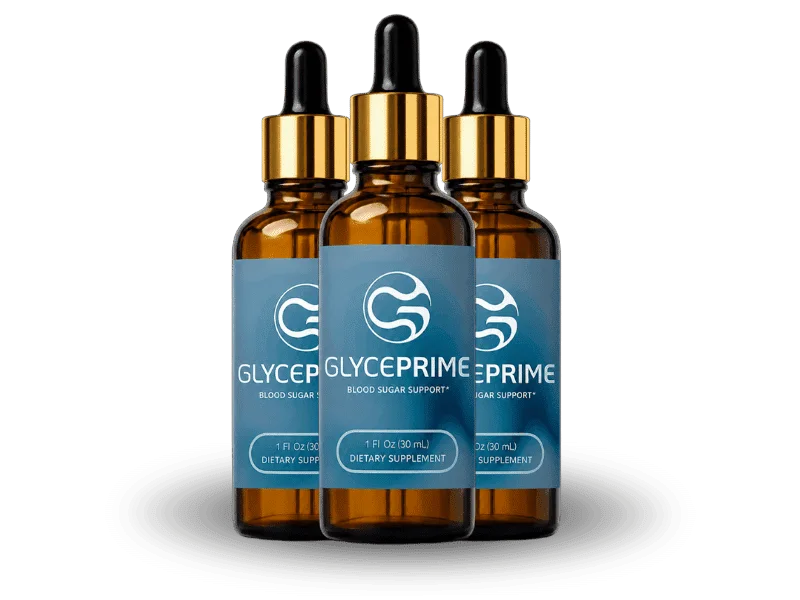
GlycePrime is a once-daily liquid built around well-studied blood-sugar botanicals, designed to sit alongside a healthy routine rather than replace anything your doctor prescribed. See today’s pricing and the 60-day guarantee.
See GlycePrime Pricing & GuaranteeWhich has fewer side effects, berberine or metformin?
This is one of the closest calls in the whole comparison, because both compounds are mainly hard on the same organ system: the gut.
Metformin is famous for early digestive upset — nausea, diarrhoea and abdominal discomfort — which is why prescribers often start low and build up, and why an extended-release version exists specifically to soften it. Over long-term use, metformin can also lower vitamin B12, which is worth monitoring but easily managed.
Berberine’s signature side effect is the bloating and cramping cluster people call “berberine belly.” The good news is that the fixes are almost identical to metformin’s: take it with food, start low, split the dose, and titrate up slowly. We wrote a full guide to berberine side effects and how to avoid berberine belly for exactly this reason.
The honest verdict is that neither has a decisive edge on tolerability. For many people the gentler option turns out to be whichever one they take correctly — with food, at a sensible dose, built up gradually.
The rule you must never break: don’t self-substitute
Here is the part that matters more than any study. If you are currently prescribed metformin, do not stop it and switch to berberine on your own. This is not a legal disclaimer we are obliged to bury at the bottom; it is the single most important sentence on this page.
Metformin is prescribed to keep blood sugar in a safe range. Stopping it abruptly, without medical supervision, can allow glucose to climb to genuinely dangerous levels — and a supplement whose label may not even state its dose is not a safe bridge to bet your health on. Even where the research on berberine looks encouraging, the person qualified to weigh it against your medication, your labs and your history is the doctor who prescribed the metformin in the first place.
The same caution applies to combining them. Because berberine and metformin both lower blood sugar, taking them together stacks two glucose-lowering effects and raises the risk of hypoglycaemia (Dumitru et al., Pharmaceuticals, 2026). Some people do use them in combination — but always under a prescriber’s guidance and with monitoring, never as a solo experiment.
Three myths worth retiring
Myth 1: “Berberine is just natural metformin, so it must be safer.” “Natural” is not a synonym for “gentle” or “risk-free.” Berberine is pharmacologically active, interacts with medications, and can cause hypoglycaemia in combination. Its being plant-derived changes none of that.
Myth 2: “A supplement with no listed dose is fine if the ingredient is proven.” The research that makes berberine interesting used specific, disclosed doses. A product that folds berberine into a proprietary blend without stating the amount cannot be compared to those trials at all — you are trusting a number nobody has shown you.
Myth 3: “If it works as well as metformin, I don’t need my doctor.” The opposite. The better a supplement’s glucose effect, the more it can interact with your medication and the more monitoring matters. A strong effect is a reason to involve your prescriber, not to sideline them.
Where a blend like GlycePrime fits into the picture
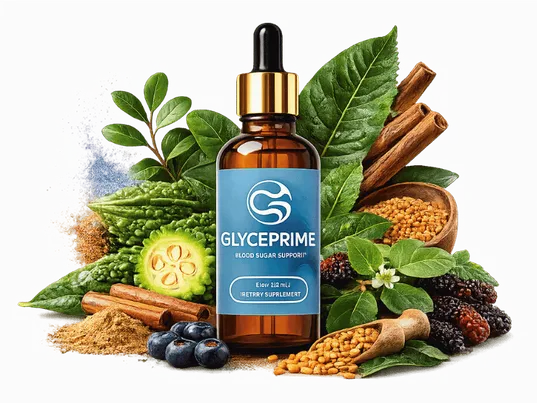
So where does a product like GlycePrime sit in the berberine-vs-metformin debate? Honestly: not as a competitor to either one for lowering blood sugar, and certainly not as a metformin replacement. It sits in a third lane — daily botanical support that a person layers on top of a healthy diet, regular movement and, where relevant, the care their doctor already provides.
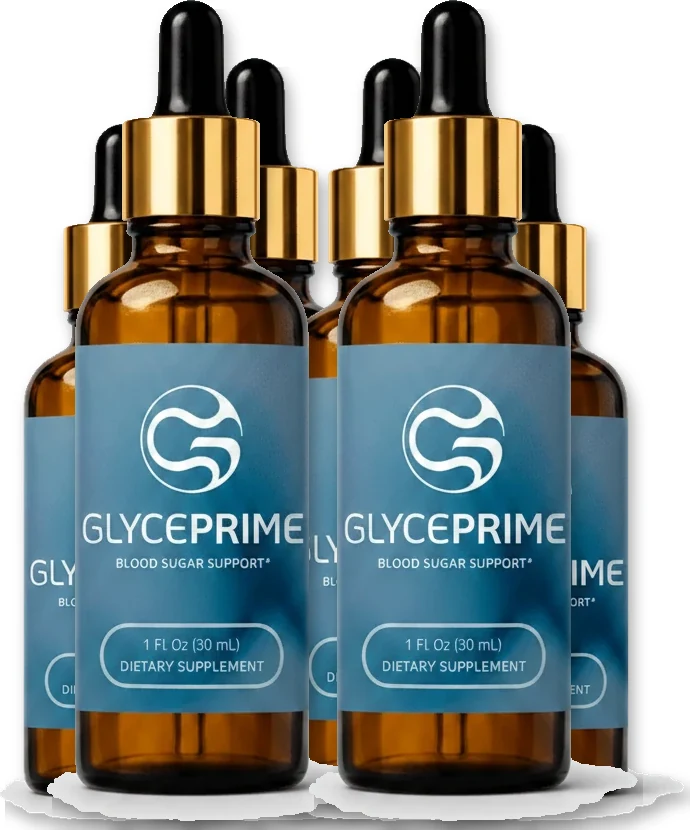
GlycePrime is a once-daily liquid taken at 1 mL from a 30 mL bottle, built around a blend of well-studied blood-sugar botanicals. It leads with gymnema sylvestre — the ingredient with the strongest showing in our review of the gymnema and blood sugar evidence — and publishes an amount for chromium. If your interest in the berberine-versus-metformin question really comes down to wanting a natural, daily habit to support healthy glucose metabolism without a handful of capsules, that is the use case a formula like this is designed for. What it is not is a drug, a cure, or a reason to touch a prescription without your doctor. Ordering from the official store adds a 60-day money-back guarantee, which is the sensible, low-risk way to see how your own body responds.
Add daily botanical blood-sugar support
A once-daily liquid to sit alongside your routine — not a replacement for medication — backed by a 60-day money-back guarantee from the official store.
Order GlycePrime From The Official StoreFrequently asked questions
Is berberine as good as metformin for blood sugar?
In a meta-analysis pooling dozens of trials, berberine produced glucose-lowering comparable to metformin on measures such as fasting glucose and HbA1c. But comparable in a study average is not the same as interchangeable for you. Metformin is an FDA-approved medicine with decades of safety data and dosing precision; berberine is a supplement with a smaller, more variable evidence base and no guaranteed label amount.
Can I replace metformin with berberine?
Not on your own. Metformin is a prescribed medication, and stopping it without medical supervision can let blood sugar climb to dangerous levels. Even if the research on berberine looks encouraging, only the doctor who prescribed your metformin can decide whether any change is safe. Never swap a prescription for a supplement without that conversation.
Which has fewer side effects, berberine or metformin?
Both are mainly digestive, and both improve with slow titration and taking doses with food. Metformin is best known for early gastrointestinal upset and, rarely, low B12 over long use; berberine is known for the bloating and cramping people call berberine belly. Neither has a clear universal advantage — the gentler option is often the one you take correctly.
Can I take berberine and metformin together?
Only under medical supervision. Because both lower blood sugar, combining them stacks two glucose-lowering effects and raises the risk of hypoglycaemia. Some people do use them together with a doctor's guidance and monitoring, but this is a decision for your prescriber, not a self-experiment. Coordinate it and monitor your levels.
Is berberine a supplement or a medicine?
Berberine is a supplement, while metformin is a prescription medicine. A 27-trial meta-analysis in 2,569 people found no significant difference on fasting glucose or HbA1c.
How large was the berberine vs metformin analysis?
It covered 27 trials with 2,569 people and found no significant difference on fasting glucose or HbA1c.
Related reading
References
- Yin J et al. Efficacy of berberine in patients with type 2 diabetes mellitus. Metabolism: clinical and experimental, 2008. PMID 18442638.
- Lan J et al. Meta-analysis of the effect and safety of berberine in the treatment of type 2 diabetes mellitus, hyperlipemia and hypertension. Journal of ethnopharmacology, 2015. PMID 25498346.
- Xie W et al. Glucose-lowering effect of berberine on type 2 diabetes: A systematic review and meta-analysis. Frontiers in pharmacology, 2022. PMID 36467075.
- Dumitru CN et al. Berberine-Drug Interactions: Mechanisms, Clinical Relevance and Risk Stratification-A Narrative Review. Pharmaceuticals (Basel, Switzerland), 2026. PMID 42653808.
- Chromium: fact sheet for health professionals. NIH Office of Dietary Supplements.
- Diabetes and dietary supplements: what the science says. National Center for Complementary and Integrative Health.
- Dietary Supplement Label Database. NIH Office of Dietary Supplements.
- Dietary supplements. U.S. Food and Drug Administration.
- Health products compliance guidance. U.S. Federal Trade Commission.