Berberine for Cholesterol: What Trials Report on LDL
Does berberine really help with cholesterol?
Berberine for cholesterol means a daily supplement taken alongside diet and regular checkups. Human studies report lower LDL and total cholesterol, with a smaller effect on triglycerides, through the AMPK enzyme and the liver's LDL receptors. The numbers are averages, not promises. Pair any daily supplement with a balanced diet and regular checkups, and keep notes on how you feel.
- Typical trials use about 1,000–1,500 mg a day, split before meals, and measure at 8–12 weeks.
- Pooled LDL reductions land around 20–25 mg/dL, alongside similar total-cholesterol drops.
- Berberine can interact with statins, so anyone on lipid medication should ask their prescriber first.
If you searched berberine for cholesterol, you have probably already met the plant as a blood-sugar compound. That is where most of the attention sits. But some of the most striking numbers in the berberine literature are not glucose numbers at all — they are lipid numbers, and they are the reason a compound marketed for metabolism keeps turning up in conversations about LDL. This article walks through what the human trials measured, how large the effect actually is, why it happens, and where an honest line sits between “worth trying” and “replaces your medication”. Spoiler on that last one: it does not.
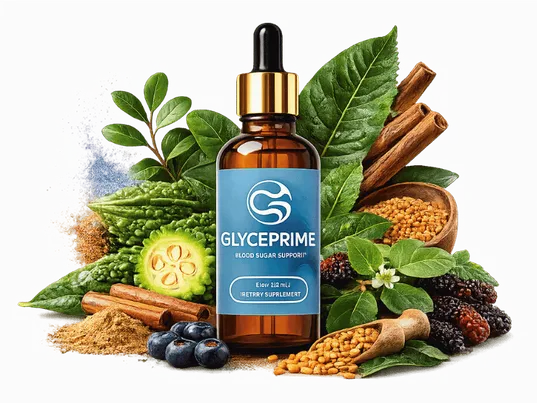
We publish this as an independent review team. We do not sell berberine, and the product we do write about, GlycePrime, is not a berberine supplement — a point we make plainly further down rather than blurring it. What we care about is that the number you act on is a real one.
What berberine is, and why the lipid data keeps coming up
Berberine is a bright-yellow alkaloid extracted from plants such as Berberis (barberry), goldenseal, Oregon grape and Chinese goldthread. Traditional systems used those plants for digestive complaints long before anyone measured a cholesterol panel. Modern interest is narrower and better documented: berberine activates an enzyme called AMP-activated protein kinase, or AMPK, which sits near the centre of how cells manage fuel. Because lipid production and glucose handling both run through that hub, a compound that nudges AMPK tends to show up in both stories at once.
That dual footprint is exactly why berberine gets described as a “metabolic” compound rather than a single-target one. It is also why the cholesterol data deserves its own article instead of a footnote inside a glucose piece. If you are weighing whether the ingredient is worth your time at all, our companion explainer on whether a berberine supplement actually works for blood sugar is the place to start; this page assumes you are specifically here for the lipids.
Berberine for cholesterol: what the human trials actually measured
The useful thing about the berberine-cholesterol literature is that it is human, not just cell-culture or rodent work. Randomised trials and several meta-analyses have pooled those trials, which gives us averages rather than anecdotes. Here is the honest summary of what they found, broken out by the marker that matters.
LDL and total cholesterol
This is berberine's strongest cholesterol signal. Across pooled trials, LDL — the “lower is generally better” fraction — tends to fall by about 0.38 mmol/L (roughly 15 mg/dL) in pooled randomised trials, with total cholesterol dropping about 0.47 mmol/L (roughly 18 mg/dL) (Ju et al., Phytomedicine, 2018). Those are meaningful shifts for a supplement, and they are consistent enough across studies that the effect is unlikely to be pure noise. What they are not is statin-sized: a moderate-intensity statin routinely lowers LDL by a much larger percentage. Berberine is a nudge, a real one, not a lever.
Triglycerides and HDL
The triglyceride effect is present but smaller and more variable between studies. Some trials show a useful reduction; others show little. HDL, the fraction people want higher, moves inconsistently — sometimes up a little, sometimes flat (Blais et al., Drugs, 2023). The fair reading is that berberine's headline benefit is LDL and total cholesterol, and the rest of the panel is a bonus that may or may not materialise for any one person.
Two cautions make all of this readable. First, the trials are mostly modest in size and duration, so the averages carry real uncertainty. Second, participants' starting numbers, diets and doses varied, which widens the spread of individual outcomes. A person with high baseline LDL and a tidy diet has more room to move than someone already near target on a careful eating pattern.
The mechanism, in plain English
Two mechanisms explain most of the cholesterol effect, and neither is exotic once you translate it.
The first is the LDL receptor. Your liver clears LDL from the blood using receptors on its surface; the more active those receptors, the more LDL gets pulled out of circulation. Berberine appears to increase the stability and number of those receptors — interestingly, through a different molecular route than statins use to achieve a related end. More receptors, more clearance, lower circulating LDL.
The second is AMPK. By activating that master fuel-sensing enzyme, berberine tilts liver cells away from manufacturing new fat and cholesterol and toward burning fuel. Less internal production plus more clearance is a plausible, two-sided reason the LDL number comes down. It is the same AMPK story that drives the glucose effect, which is why the two benefits travel together.
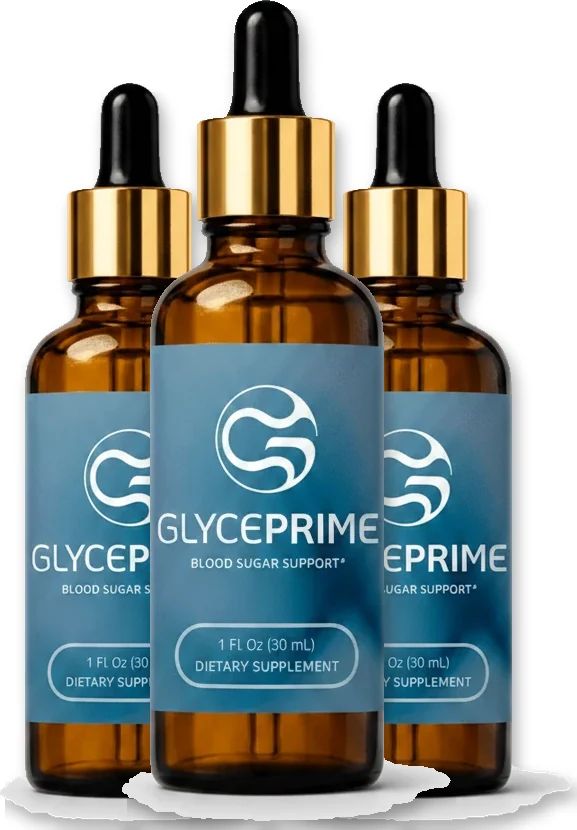
Prefer a once-daily botanical route to metabolic support?
GlycePrime is a liquid gymnema-and-chromium formula built for blood-sugar support — a different compound than berberine, taken once a day, from a store that backs it with a 60-day guarantee. See current bundles before you decide.
See GlycePrime PricingBerberine vs metformin on lipids
People reach for the metformin comparison because both compounds hit AMPK and both get discussed for glucose. On lipids specifically, several head-to-head and observational comparisons suggest berberine can match or, on some markers, edge out metformin — metformin's lipid effect is generally mild, so this is a low bar in fairness. Pooled trials also show the lipid effect holds up both when berberine is taken alone and when it is added on top of a statin (Zhang et al., The American Journal of Chinese Medicine, 2019). The comparison is genuinely useful for understanding berberine's character, but it is not a licence to swap one for the other. Metformin is a prescription drug managed by a clinician for a reason. If the metformin question is really what is on your mind, our dedicated look at how berberine compares with metformin for blood sugar goes deeper than lipids alone.
Three objections worth taking seriously
A benefit is only as good as the objections it survives. Here are the three that come up most, answered straight.
“Isn't the cholesterol angle just supplement marketing?”
Fair suspicion — most supplement claims deserve it. Berberine is an unusual case because the lipid data is human and pooled, not a single sponsored study. That does not make it a drug, and it does not make every product containing it effective. It means the ingredient itself has earned a second look on cholesterol, which is more than can be said for most of the category.
“Can berberine replace my statin?”
No, and this is the objection where getting it wrong actually matters. Berberine's LDL effect is real but smaller than a statin's, the trials are shorter, and there is no outcome data showing it prevents heart events the way statins have been shown to. If your clinician has you on a statin, they are managing a risk calculation, not just a number. Berberine is a conversation to have with that person — not a substitution to make quietly.
“Berberine's absorption is poor, so how can it work?”
Berberine does have low oral bioavailability, which is a genuine pharmacology point. The resolution is that a lot of its metabolic action seems to happen in the gut and liver before absorption is even the question, and the trials that show effects used ordinary oral doses. Poor bioavailability is a reason doses are split and taken with meals; it is not, on the evidence, a reason the compound fails.
Where GlycePrime fits — and where it doesn't
Here is the plain part we promised. GlycePrime does not contain berberine. Its formula is built on gymnema sylvestre and chromium, with supporting botanicals like green tea, astragalus, ginseng and African mango. If you specifically want berberine for cholesterol, GlycePrime is not the product that delivers it, and we are not going to pretend otherwise.
What GlycePrime offers is the same destination by a different road: once-daily botanical blood-sugar support in a liquid you take at 1 mL a day, rather than a multi-capsule berberine regimen timed around every meal. For people who like the metabolic-support idea but will not realistically keep up with berberine's before-each-meal schedule, a single morning dose is the difference between a habit that sticks and a bottle that stalls in a drawer. If simplicity is what would actually get you to finish a course, that is a legitimate reason to consider it — and if berberine specifically is your goal, buy berberine. Both can be true.
Who tends to see the biggest cholesterol benefit
Averages hide a lot of variation, and it is worth knowing where on the curve you are likely to sit before you build any expectation. The people who see the clearest LDL and total-cholesterol movement in the berberine trials tend to be those who started with genuinely elevated numbers — there is simply more room to move. Someone whose LDL is already near their target has less to gain, and may see a change too small to distinguish from normal lab variation. Diet matters too: berberine is a complement to a sensible eating pattern, not a substitute for one, and the people who pair it with reduced saturated fat and more fibre generally read a better result than those who treat a capsule as permission to change nothing. None of this is a guarantee for any individual, but it is a fairer way to set your own expectation than assuming the pooled average is a personal forecast.
How to get real value from a cholesterol supplement
- Get a baseline lipid panel first. You cannot judge a 20 mg/dL change you never measured. A before-and-after, ordered by your doctor, is the only honest scoreboard.
- Give it 8 to 12 weeks. That is the window the trials used. Judging at two weeks is judging the wrong thing.
- Hold diet and activity steady. If everything changes at once, you will not know what moved the number. Keep the variables still so you can read the result.
- Check for milligrams, not marketing. With any supplement, the amount per serving is the claim that matters; a plant name without a dose tells you nothing.
- Loop in your prescriber if you are medicated. Statins, in particular, share a metabolic pathway with berberine. This is a coordination issue, not a solo experiment.
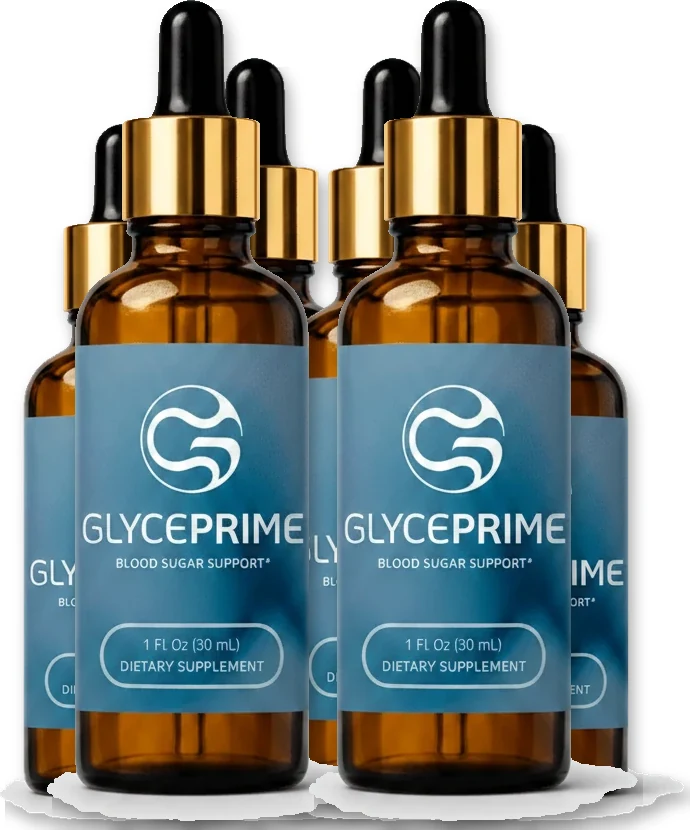
Want botanical blood-sugar support without the capsule schedule?
GlycePrime is a once-daily liquid built on gymnema and chromium, sold in two, three and six-bottle bundles with a 60-day money-back guarantee from the official store. It is not a berberine product — it is the simpler-to-stick-with alternative in the same category.
Order GlycePrime From The Official StoreFrequently asked questions
Does berberine lower cholesterol?
The human evidence points that way. Multiple controlled trials and pooled analyses report that berberine, typically around 1,000 to 1,500 mg a day in split doses, reduces LDL and total cholesterol, with a smaller effect on triglycerides. The effect is consistent enough that berberine is one of the better-studied botanicals for lipids, though the trials are mostly modest in size and berberine is not a licensed cholesterol medicine.
How much does berberine reduce LDL?
Pooled trial data commonly show LDL reductions in the range of roughly 20 to 25 mg/dL, alongside total-cholesterol drops of a similar order and modest triglyceride reductions. Individual results vary widely with starting numbers, diet, dose and consistency, and berberine is generally weaker than a statin on LDL. Treat any figure as an average across studies, not a promise for one person.
Can I take berberine with a statin?
This is a conversation for your prescriber, not a decision to make from a blog. Some small studies have combined berberine with a statin and reported additional LDL lowering, but berberine affects the same CYP3A4 pathway that clears several statins, which can change drug levels. Do not add, change or stop a statin on your own. Bring berberine up with the doctor who manages your lipids.
How long until berberine affects cholesterol?
Lipid changes are not overnight. Most trials measured cholesterol at eight to twelve weeks, and that is a fair window to expect a meaningful shift if berberine is going to move your numbers. Give it a full course, keep the diet and activity steady so you can read the result, and recheck your lipid panel with your doctor rather than guessing.
What is berberine cholesterol use and who takes it?
Berberine cholesterol use means taking berberine daily, usually split before meals, and checking results at around 8 to 12 weeks. People take it as part of a routine that also includes diet and movement.
What daily amount do cholesterol trials use?
Typical trials use about 1,000 to 1,500 mg a day, split before meals, and measure results at 8 to 12 weeks.
Related reading
References
- Ju J et al. Efficacy and safety of berberine for dyslipidaemias: A systematic review and meta-analysis of randomized clinical trials. Phytomedicine : international journal of phytotherapy and phytopharmacology, 2018. PMID 30466986.
- Blais JE et al. Overall and Sex-Specific Effect of Berberine for the Treatment of Dyslipidemia in Adults: A Systematic Review and Meta-Analysis of Randomized Placebo-Controlled Trials. Drugs, 2023. PMID 36941490.
- Zhang LS et al. Efficacy and Safety of Berberine Alone or Combined with Statins for the Treatment of Hyperlipidemia: A Systematic Review and Meta-Analysis of Randomized Controlled Clinical Trials. The American journal of Chinese medicine, 2019. PMID 31094214.
- Chromium: fact sheet for health professionals. NIH Office of Dietary Supplements.
- Diabetes and dietary supplements: what the science says. National Center for Complementary and Integrative Health.
- Dietary Supplement Label Database. NIH Office of Dietary Supplements.
- Dietary supplements. U.S. Food and Drug Administration.
- Health products compliance guidance. U.S. Federal Trade Commission.