Does Berberine Work for Blood Sugar? What Trials Show
Does berberine really work for blood sugar?
Yes, in human trials a berberine supplement repeatedly lowered fasting glucose and HbA1c in people with elevated blood sugar. A meta-analysis of 27 randomised trials in 2,569 people found no significant difference from oral glucose-lowering drugs. The effect builds over weeks alongside diet. Look at the human results in plain terms, and remember that outcomes vary from one person to the next.
- Berberine activates AMPK, a cellular energy switch that improves how cells take up and use glucose.
- Post-meal spikes can ease within 2–4 weeks; meaningful A1C and fasting-glucose change usually takes 8–12 weeks.
- Dose is what separates a working routine from a placebo — the studied range is roughly 900–1,500 mg a day, split with meals.

If you have spent any time researching a natural approach to blood sugar, one word keeps surfacing: berberine. It shows up in Reddit threads, in doctors' YouTube explainers, and in the ingredient panels of half the metabolic formulas on the shelf. And it always arrives attached to the same question — does a berberine supplement really work for blood sugar, or is it just the supplement world's flavour of the year?
The honest answer is unusually clear for this category. Berberine is one of the very few plant compounds with a mechanism that makes biochemical sense and a stack of human trials behind it. It is not magic, it is not a medication, and it will not undo a diet built on sugar. But the evidence that it moves the numbers people care about — fasting glucose, the size of a post-meal spike, HbA1c over time — is genuinely strong. This article walks through what the research actually shows, how fast it acts, and where a done-for-you botanical formula like GlycePrime fits for people who would rather not manage loose capsules.
What berberine is, and why AMPK is the whole story
Berberine is a bright-yellow alkaloid extracted from plants such as barberry, goldenseal and Coptis chinensis. Traditional medicine used those plants for centuries, but modern interest is not about tradition — it is about a single enzyme. Berberine activates AMPK, adenosine monophosphate-activated protein kinase, which researchers sometimes call the body's “metabolic master switch.”
When AMPK is switched on, cells behave as though energy is running low: they pull more glucose out of the bloodstream, burn fat for fuel, and dial down the liver's habit of manufacturing new sugar (Nazari et al., Clinical Therapeutics, 2024). That is, more or less, the same set of levers that the prescription drug metformin pulls. Those same levers are what produce berberine's modest, gradual effect on body weight. This is why berberine and metformin get compared so often — they are not chemically related, but they act on overlapping pathways. If you want the head-to-head detail, our companion breakdown of how berberine compares with metformin for blood sugar control unpacks where the two overlap and where they part ways.
What the trials actually measured
Here is the sentence that does most of the work in any honest berberine article. A frequently cited meta-analysis pooling 27 randomised controlled trials in 2,569 patients found no statistically significant difference between berberine and oral hypoglycaemic drugs on glucose control (Lan et al., Journal of Ethnopharmacology, 2015), and a later meta-analysis of 37 trials in 3,048 patients put berberine's average effect at −0.82 mmol/L on fasting glucose and −0.63% on HbA1c (Xie et al., Frontiers in Pharmacology, 2022). That is a remarkable finding for a compound sold as a dietary supplement.
But a meta-analysis is a headline, not a prescription, so it pays to read what the individual trials were measuring:
- Fasting blood glucose. The reading you get first thing in the morning before eating. Trials consistently reported reductions here over 8 to 12 weeks.
- HbA1c. A three-month running average of blood sugar. Because it reflects months, not minutes, it is the gold-standard outcome — and the one that takes the longest to move.
- Post-prandial glucose. The spike after a meal. This is often the first thing people notice shifting, sometimes within a few weeks.
- Insulin sensitivity and lipids. Several trials also recorded improved insulin response and modest drops in triglycerides and LDL, which is part of why berberine gets discussed as a metabolic compound rather than a narrowly glucose one.
The caveat that keeps the claim honest: many of these studies were small, ran for a matter of months rather than years, and varied in quality. Berberine's evidence base is excellent by supplement standards and thin by pharmaceutical ones. Both of those things are true at once, and a trustworthy source says both.
How fast does berberine work?
Speed is where expectations go wrong and where people quit early. Berberine is not a caffeine hit; you will not feel it. What you can measure follows a rough timeline:
- 2–4 weeks: post-meal spikes may begin to flatten if you are dosing consistently and pairing it with reasonable meals.
- 8–12 weeks: fasting glucose and HbA1c changes become visible, because A1C physically cannot move faster than the red blood cells it is measured on.
- Ongoing: the benefit is maintenance-based. Stop taking it and the mechanism stops too — there is no permanent reset.
If you want the full picture on timing and what a realistic first three months looks like, we go deeper in our guide to how long berberine takes to work. The one-line version: give it a full 90 days before you decide it did or did not do anything, and track a number rather than a feeling.
Want the botanical route without counting capsules?
GlycePrime delivers a daily liquid blood-sugar support blend of botanicals plus chromium — one dropper a day instead of a pill organiser. See the current bundles and 60-day guarantee on the official store.
See GlycePrime on the Official StoreThree berberine supplement objections worth taking seriously
“If it's as good as metformin, why isn't it a drug?”
Because berberine is a natural compound, it cannot be patented in its raw form, and without a patent there is little incentive for a company to fund the enormous, multi-year trials that drug approval demands. That is an economic reason, not a scientific verdict on whether it works. It also means berberine will never carry the regulatory weight of an approved medicine — which is exactly why it belongs in the “support” conversation and not the “replacement” one. If a doctor has prescribed something, berberine is not a swap.
“Doesn't it just upset your stomach?”
Digestive complaints — cramping, loose stools, constipation — are the most common berberine side effect (Wang et al., Frontiers in Pharmacology, 2024), and they are almost always a dosing problem rather than a fundamental flaw. They tend to appear when someone takes a large amount on an empty stomach on day one. The fix is boring and effective: start low, take it with food, and split the dose. Our berberine 500mg dosage guide lays out a titration schedule that most people tolerate without drama.
“I've read the labels — how do I know I'm getting a real dose?”
This is the objection that actually matters, and it is the one the supplement industry hopes you skip. A product can print “berberine” in bold and still hide the amount inside a proprietary blend, or under-dose it to a rounding error. The trials that make berberine interesting used real milligram amounts — roughly 900 to 1,500 mg a day. If a label will not tell you how many milligrams per serving you are getting, it has not earned the studies' reputation. Reading a panel properly is the whole subject of our 2026 guide to choosing a berberine supplement.
Where GlycePrime fits
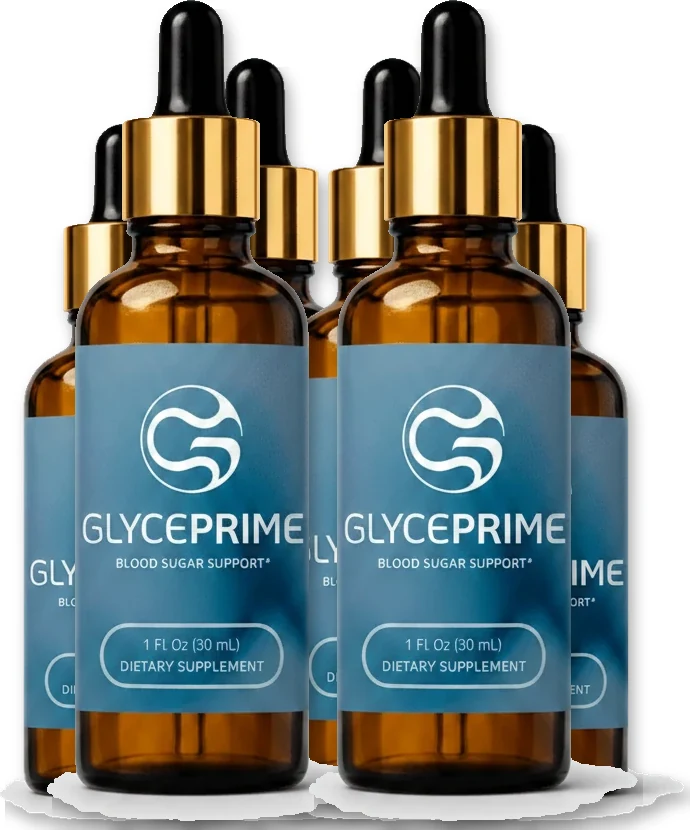
GlycePrime is not a single-ingredient berberine capsule, and we are not going to pretend it is. It is a liquid blood-sugar support formula — one millilitre a day from a 30 mL bottle — built around a blend of botanicals traditionally used for glucose support, paired with chromium picolinate, the one ingredient the manufacturer quantifies (7 mcg, 20% of the Daily Value). It is made in a US facility to GMP standards and carries a 60-day money-back guarantee.
So why mention it in a berberine article? Because the reader looking up “does berberine work” is really asking a bigger question: can a botanical approach meaningfully support my blood sugar? Berberine is the strongest single piece of evidence that the answer can be yes. For some people the practical next step is a standalone berberine capsule taken two or three times a day. For others — the ones who know they will not keep up a three-times-daily pill habit — a once-daily liquid botanical blend is the routine that actually gets taken, and the routine you follow beats the one you abandon. As with any supplement, check the label for per-serving amounts and, if you take glucose-lowering medication, start the conversation with your prescriber first.
The bottom line
Does berberine really work for blood sugar? On the weight of human evidence, yes — it activates AMPK, it has lowered fasting glucose and HbA1c across dozens of trials, and one large meta-analysis put it shoulder to shoulder with metformin for glucose control. The realistic frame is this: it is a genuine, evidence-backed support tool that works slowly, depends entirely on an adequate dose, and belongs alongside good food and medical care rather than in place of them. Choose a form you will actually take every day, give it a full 90 days, and measure a number.
Make the botanical routine easy to keep
One daily dropper, a multi-botanical blood-sugar support blend, GMP-made in the USA, backed by a 60-day money-back guarantee. From $49 per bottle on the official store.
Order GlycePrime NowRelated reading
Frequently asked questions
Does berberine actually lower blood sugar?
In human trials, yes — berberine has repeatedly improved fasting glucose and HbA1c in people with elevated blood sugar. A meta-analysis of 27 randomised trials in 2,569 people found no statistically significant difference between berberine and oral glucose-lowering drugs. The effect is real but gradual, and it is measured over weeks and months, not days. It works alongside diet and existing care, not instead of them.
How much berberine do I need to see results?
Most trials used 900 to 1,500 mg per day, split into two or three doses of roughly 500 mg taken with meals. Splitting matters because berberine clears the body quickly, so one large dose is less useful than several smaller ones spread across the day. Below the studied range, you should not expect the results the studies reported.
Is berberine as effective as prescription options?
One meta-analysis found berberine matched metformin for glucose control in the studies reviewed, but that is not the same as saying it replaces a prescription. Trials are smaller and shorter than the drug's evidence base, and berberine is a supplement, not an approved medicine. It is not a substitute for a medication your doctor prescribed, and it should never be swapped in without that conversation.
Can I take berberine if I'm not diabetic?
Many people use berberine for general metabolic and post-meal glucose support without a diagnosis, and the studied doses are well tolerated by most healthy adults, with digestive upset being the most common complaint. It is still an active compound: if you take any glucose-lowering medication or are pregnant or breastfeeding, talk to a clinician before starting.
How does berberine work for blood sugar?
Berberine activates AMPK, a cellular energy switch that improves how cells take up and use glucose. Post-meal changes can show within 2 to 4 weeks.
How fast can berberine change post-meal blood sugar?
Post-meal spikes can ease within 2 to 4 weeks, while fasting measures take longer.
References
- Nazari A et al. The Effect of Berberine Supplementation on Glycemic Control and Inflammatory Biomarkers in Metabolic Disorders: An Umbrella Meta-analysis of Randomized Controlled Trials. Clinical therapeutics, 2024. PMID 38016844.
- Lan J et al. Meta-analysis of the effect and safety of berberine in the treatment of type 2 diabetes mellitus, hyperlipemia and hypertension. Journal of ethnopharmacology, 2015. PMID 25498346.
- Xie W et al. Glucose-lowering effect of berberine on type 2 diabetes: A systematic review and meta-analysis. Frontiers in pharmacology, 2022. PMID 36467075.
- Wang J et al. Effects of administering berberine alone or in combination on type 2 diabetes mellitus: a systematic review and meta-analysis. Frontiers in pharmacology, 2024. PMID 39640489.
- Chromium: fact sheet for health professionals. NIH Office of Dietary Supplements.
- Diabetes and dietary supplements: what the science says. National Center for Complementary and Integrative Health.
- Dietary Supplement Label Database. NIH Office of Dietary Supplements.
- Dietary supplements. U.S. Food and Drug Administration.
- Health products compliance guidance. U.S. Federal Trade Commission.