Best Berberine Supplement 2026: Four Checks Before You Buy
What is the best berberine supplement in 2026?
The best berberine supplement in 2026 prints a real dose, standardised berberine HCl near 500 mg per serving, is made in a GMP-certified facility, is third-party tested and is priced by cost per effective dose. Run those four checks first and brand names second. Read the label for the dose, the manufacturing site and the testing notes before you pick a bottle.
- Demand a disclosed milligram dose; walk away from any “proprietary blend” that hides the berberine amount.
- Compare value as cost per full daily dose (900–1,500 mg), not price per bottle.
- Buy direct for freshness, an honest money-back guarantee, and protection from marketplace counterfeits.
Search interest in “best berberine supplement” keeps climbing, which tells you two things. People are convinced berberine is worth trying — and they have no idea which bottle to actually buy. That second problem is the one this guide solves. Rather than hand you a ranked list of brand names that will be out of date by next quarter, we are going to give you the criteria the good products share, so you can score any berberine supplement yourself, in 2026 or 2036.
Because here is the uncomfortable truth about “best of” lists: most are ordered by affiliate payout, not by quality. We would rather teach you to read a label than ask you to trust a ranking. By the end you will know exactly what separates a serious formula from a filler-heavy one — and where a done-for-you botanical option like GlycePrime fits into the picture.
The four checks that actually matter
1. A real, disclosed dose
This is the first filter and it eliminates most of the shelf. The human trials that made berberine famous used defined amounts — generally 500 mg of standardised berberine HCl, taken two to three times a day. So the very first thing a quality label does is tell you, in plain milligrams, how much berberine is in one serving. If the number is buried inside a “proprietary metabolic blend,” you are being asked to pay for a secret. A product that respects the research respects you enough to print the dose. If you are unsure what a correct amount looks like, our berberine 500mg dosage guide covers exactly how the studied range is built.
2. Purity and the right form
“Berberine” on a label almost always means berberine hydrochloride (HCl), the form used in most clinical work (Xie et al., Frontiers in Pharmacology, 2022). That is fine — it is the benchmark. What you are checking for is standardisation (a stated percentage or milligram of actual berberine, not just “barberry extract”) and a short, clean ingredient list without a page of unpronounceable fillers, dyes and flow agents. There is also a newer form, dihydroberberine, marketed as more absorbable; we compare the two honestly in our breakdown of dihydroberberine versus berberine HCl so you can decide whether the premium is worth it.
3. Bioavailability
Berberine's Achilles heel is absorption — a lot of an oral dose never makes it into circulation. Better products address this in one of two ways: pairing berberine with an absorption aid, or using a delivery format that sidesteps the problem. This is one honest argument for a liquid: a well-formulated liquid can be easier for the body to take up than a compressed tablet that has to fully break down first. It is also the argument some brands use to justify dihydroberberine. Either way, the question to ask is not “how much is in the bottle” but “how much reaches my bloodstream.”
4. GMP manufacture and third-party testing
These are the trust signals that cost a company money and therefore mean something. A GMP-certified (Good Manufacturing Practice) facility follows enforced quality controls. Third-party or independent lab testing verifies that what is on the label is in the bottle — correct identity, correct potency, and no heavy metals or microbial contamination. In a category where the FDA does not pre-approve products, that testing is the closest thing you get to a guarantee of what you are swallowing (Marcus, Drug Testing and Analysis, 2016). No badge? Assume nothing has been verified.
How to compare value (the part everyone gets wrong)
Shoppers anchor on the number on the bottle. That is almost always the wrong number. Value in berberine is cost per effective daily dose, and once you calculate it, the shelf reorders itself.
Say you need 1,000 mg a day — two 500 mg servings. Bottle A costs $18 but contains 60 capsules of 500 mg: that is only a 30-day supply at your dose, so $0.60 a day. Bottle B costs $30 for 120 capsules: 60 days at your dose, so $0.50 a day. The “expensive” bottle is cheaper. Compare a premium brand like Thorne against a warehouse option like Costco's Kirkland or a marketplace generic on Amazon and you have to do this maths every time, because capsule count, per-serving dose and split-dosing schedule all move the real cost. We keep a running breakdown in our guide to where to buy berberine and what it should cost.
- Count servings at YOUR dose, not the bottle's serving size. A “30-day supply” at one capsule a day is a 15-day supply if you take two.
- Factor in shipping and subscription discounts. Bundles and subscribe-and-save often beat a single bottle by a wide margin.
- Price the guarantee. A 60-day money-back guarantee has real value — it lets you test a product for the weeks berberine needs without risking the money.
Prefer a done-for-you daily blend to counting capsules?
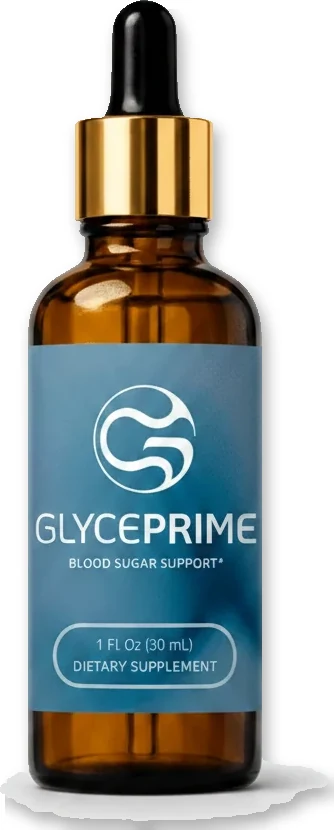
GlycePrime is a GMP-made liquid blood-sugar support formula — one dropper a day, a 60-day money-back guarantee, and bundle pricing that lowers the cost per bottle. Check today's official-store pricing.
See GlycePrime Pricing & BundlesRed flags that should stop a purchase
Just as useful as knowing what to look for is knowing what to walk away from. A quality berberine supplement rarely trips any of these, and a poor one usually trips several:
- “Proprietary blend” with no berberine milligram figure. If the amount of the headline ingredient is hidden, assume it is low. Companies advertise numbers they are proud of.
- A serving size that cannot reach the studied range. One 200 mg capsule “once daily” is not a berberine dose; it is a label with the word berberine on it.
- No manufacturing or testing information anywhere. No GMP mention, no country of manufacture, no testing statement — three blanks that each cost the company nothing to fill unless the answers are inconvenient.
- Health claims that promise to treat or cure. A compliant brand describes support, not cures. Over-promising copy is a sign the marketing team is ahead of the quality team.
- No money-back guarantee. Berberine takes weeks to evaluate. A brand that will not stand behind a return window does not believe you will re-order.
Amazon vs direct: where should you buy?
Convenience pulls everyone toward Amazon. Two things pull the other way. First, freshness and authenticity: on open marketplaces, inventory from multiple sellers can be commingled, and counterfeit or diverted supplements are a documented problem — you cannot always be sure who packed the bottle that lands on your doorstep (Little and Jeanson, Scientific Reports, 2013). Second, the guarantee: a manufacturer's real money-back promise usually applies to purchases made through its own store, not to a third-party reseller. If you want the freshest stock, a genuine guarantee, and the manufacturer standing behind the product, buying direct is the safer route even when the marketplace price looks similar.
Two myths to retire before you buy
“More milligrams is always better”
No. The studied ceiling is around 1,500 mg a day, and megadosing does not scale the benefit — it scales the digestive side effects. A 500 mg-per-serving format that lets you build up to the researched range is smarter than a single 1,000 mg bomb that wrecks your stomach on day one.
“A cheaper bottle is a better deal”
Only if it delivers the same cost per effective dose from a facility you can trust. A bargain bottle with an untested supply chain and a serving size too small to reach the studied dose is not a saving; it is a slower way to conclude that “berberine didn't work,” when the real problem was the product.
Where GlycePrime lands
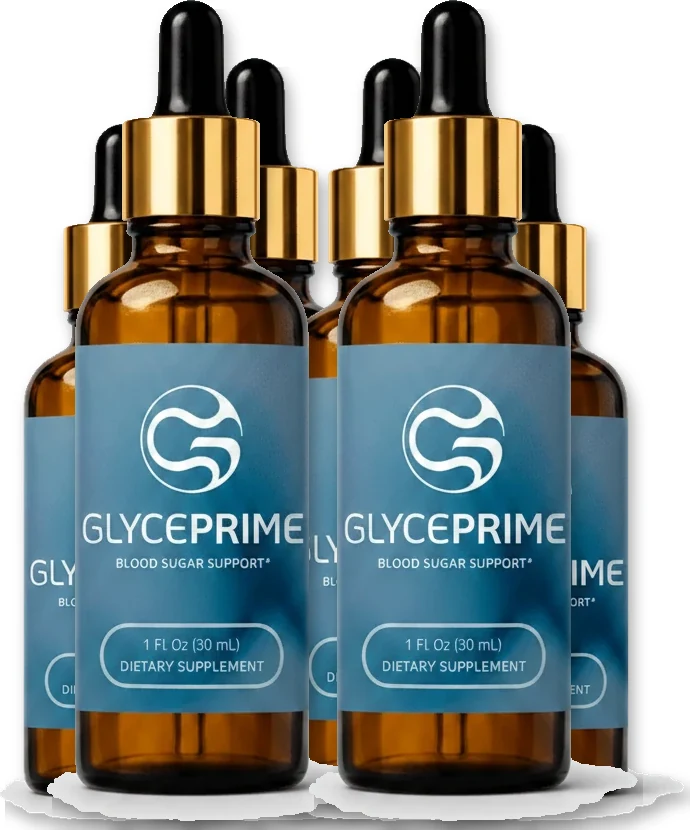
GlycePrime is not a single-ingredient berberine capsule, and if a high-dose standalone berberine HCl is specifically what you want, buy that. What GlycePrime offers is the other thing a lot of blood-sugar shoppers are actually looking for: a done-for-you, once-daily botanical blood-sugar support formula in liquid form — a blend of botanicals traditionally used for glucose support, paired with chromium picolinate, the ingredient the manufacturer quantifies at 7 mcg (20% of the Daily Value). It is made in a US GMP facility, ships in two, three and six-bottle bundles from $49 a bottle, and carries a 60-day money-back guarantee — which, against the value framework above, is exactly the risk-free window a botanical needs to prove itself.
Score it on the same checklist you would use for anything else. The liquid format is a legitimate answer to the bioavailability and adherence problems that sink so many capsule routines; the GMP manufacture and the guarantee are real trust signals; the bundle pricing is where the cost-per-day genuinely drops. As with every product in this guide, verify per-serving amounts on the current label, and if you take glucose-lowering medication, clear it with your prescriber before you start. If you are still deciding whether the botanical approach is worth it at all, start with our evidence review of whether a berberine supplement really works for blood sugar.
The blend, the guarantee, the best per-bottle value
GlycePrime's multi-bottle bundles cut the cost per bottle the most and pair with a 60-day money-back guarantee. Buy direct for freshness and the real guarantee.
Order GlycePrime From the Official StoreRelated reading
Frequently asked questions
What makes a berberine supplement high quality?
Three things above all: a disclosed dose in milligrams — ideally standardised berberine HCl around 500 mg per serving — rather than a hidden proprietary blend; manufacture in a GMP-certified facility; and third-party or in-house testing for identity, potency and contaminants. Bioavailability enhancers and clean fillers are a bonus, but a real, printed dose is the non-negotiable first filter.
Which berberine brand has the best value per serving?
Value is cost per effective daily dose, not the sticker price on the bottle. A cheap bottle that only holds 30 servings at 500 mg is not cheap if you need 1,000 to 1,500 mg a day. Compare the price of a full studied daily dose across a month, factor in shipping and any subscription discount, and the true cost per day often reorders the shelf completely.
Should I buy berberine on Amazon or direct?
Buying direct from the manufacturer usually gives you the freshest stock, the real money-back guarantee and protection against counterfeits and diverted inventory, which are a documented problem on open marketplaces. Amazon can be convenient, but you cannot always verify who fulfilled the bottle. If a guarantee and authenticity matter to you, the official store is the safer route.
What dose should the best berberine supplements contain?
Look for a formula that lets you reach the studied range of roughly 900 to 1,500 mg of berberine per day, typically built from 500 mg servings taken two or three times daily with meals. A single 500 mg capsule can be a fine starting dose, but the label should make it possible to titrate up to the full researched amount.
What should a berberine label show?
Look for a disclosed milligram dose of berberine HCl near 500 mg per serving. Skip any proprietary blend that hides the berberine amount.
Why avoid a proprietary blend on a berberine label?
A proprietary blend can hide the berberine amount, so look for a disclosed milligram dose.
References
- Xie W et al. Glucose-lowering effect of berberine on type 2 diabetes: A systematic review and meta-analysis. Frontiers in pharmacology, 2022. PMID 36467075.
- Marcus DM et al. Dietary supplements: What's in a name? What's in the bottle?. Drug testing and analysis, 2016. PMID 27072845.
- Little DP et al. DNA barcode authentication of saw palmetto herbal dietary supplements. Scientific reports, 2013. PMID 24343362.
- Chromium: fact sheet for health professionals. NIH Office of Dietary Supplements.
- Diabetes and dietary supplements: what the science says. National Center for Complementary and Integrative Health.
- Dietary Supplement Label Database. NIH Office of Dietary Supplements.
- Dietary supplements. U.S. Food and Drug Administration.
- Health products compliance guidance. U.S. Federal Trade Commission.