Blood Sugar Management Supplements, Ranked for Daily Use
What are the best blood sugar management supplements?
Take blood sugar management supplements daily at a disclosed dose, and pick them by trial strength. Berberine leads, gymnema sylvestre follows, cinnamon is mixed, and chromium mainly helps if you are deficient. None replaces diet, activity or medication. Choose a product with a disclosed dose, and stick with it long enough to judge how it works for you.
- Evidence order: berberine → gymnema sylvestre → cinnamon → chromium.
- Prioritise transparent dosing, third-party testing and GMP manufacturing.
- An all-day format you actually keep up beats a "perfect" one you quit in a fortnight.

If you have gone looking for blood sugar management supplements, you already know the problem: the aisle is enormous, every bottle makes the same promise in the same confident font, and none of them tells you which one is worth your money and which is coloured filler. This is a ranking for management-focused shoppers — people who want steadier numbers across a normal day and a shortlist they can actually act on, not a wall of marketing to wade through.
So we did the boring part for you. We scored the ingredients you keep seeing on the strength of their human trials, flagged the label tricks that hide a weak dose, and built a realistic order of preference. We also say plainly where an all-day liquid blend like GlycePrime fits into a management routine — and, just as importantly, where it does not. The goal is a decision you can defend, not a bottle you regret.
Why "management" changes what you should look for
Managing blood sugar is a different job from chasing a single number once. Management is about consistency across weeks and months: steadier readings, fewer swings, a routine that survives busy days and holidays. That reframes the whole shopping question. A supplement you take religiously for ten weeks and then abandon is worse, in practice, than a slightly less potent one you keep up for a year. Adherence is not a soft factor here; it is the factor. The best formula on paper does nothing sitting unopened in a drawer.
Management thinking also means being honest about the ceiling. These are supplements, not medicine. They nudge and support; they do not overhaul metabolism on their own. The people who get value from blood sugar management supplements are the ones who already have the fundamentals roughly in place — food, movement, sleep — and want a consistent daily helper on top, not a bottle they are hoping will rescue a routine that has otherwise gone sideways.
How we scored the blood sugar management supplements
Every ingredient below was scored on four things. First, evidence quality: randomised controlled trials and meta-analyses count for far more than test-tube or mouse studies dressed up as proof. Second, dose transparency: an ingredient only earns credit if the product tells you how much of it you are getting, in milligrams, rather than burying it in a proprietary blend. Third, third-party testing and GMP manufacturing, the signals that a bottle actually contains what its label claims. Fourth, real-world usability — the dosing schedule, the format, the tolerability — because a supplement that demands three pills at three meals is one most people quietly stop taking.
Two red flags dragged scores down. Underdosed proprietary blends, where a famous ingredient is named but its amount is hidden, are the single most common way this category wastes money. "Contains gymnema" is true whether the bottle holds a studied dose or a decorative pinch. And any product implying it can replace diet or medication was disqualified from the top on principle, because that claim is both false and unsafe.
Blood sugar management supplements, ranked
1. Berberine-led formulas — the strongest evidence
Berberine sits at the top because it has the deepest bench of human trials in the whole category, and it is the compound researchers most often use as the benchmark others are measured against. Its proposed mechanism is genuinely interesting: it activates AMPK, an enzyme that acts as a kind of master switch in how cells handle energy and glucose. Trials have generally used around 500 milligrams two to three times a day with meals, reporting movement in glucose markers over weeks rather than days (Xie et al., Frontiers in Pharmacology, 2022). If you want the full picture of the shortlist, our breakdown of how the top glucose-lowering supplements compare on trial strength lays the evidence out ingredient by ingredient.
The honest caveats keep berberine grounded. It is famous for digestive upset — cramping, loose stools, nausea — especially if you start at a full dose instead of ramping up. And because it genuinely lowers glucose, it can stack with diabetes medication and push levels too low. Strong evidence and real interaction risk are, as usual in this category, two sides of the same coin. If you are shopping this tier, our notes on the purity and dosing criteria behind the best berberine supplement in 2026 are worth reading before you buy.
2. Gymnema sylvestre — a plausible mechanism with real, modest data
Gymnema is the Ayurvedic "sugar destroyer", and it earns second place for having both a sensible mechanism and genuine, if smaller, human studies. It appears to reduce how much glucose is absorbed in the intestine, and its gymnemic acids famously blunt sweet taste on the tongue (Devangan et al., Phytotherapy Research, 2021), which can quietly curb the wanting of sweet food between meals. The research is directionally consistent; it is simply built on fewer and smaller trials than berberine. It is also the lead botanical in GlycePrime, which is why we wrote a full piece on what the gymnema sylvestre blood sugar evidence actually shows and where its limits are.
3. Cinnamon — popular, cheap, and genuinely mixed
Cinnamon is the ingredient half the country already has in the cupboard, which is part of why it sells and part of why the data is muddy. Some trials show small improvements in fasting glucose; others show nothing (Moridpour et al., Phytotherapy Research, 2024). The type matters too — Ceylon versus the cheaper cassia, which carries coumarin you would not want in large daily doses for long. Treat cinnamon as a reasonable, low-cost addition to a diet, not a load-bearing pillar of a management plan. It is a supporting player, not a headliner.
4. Chromium — a deficiency corrector, not a broad lever
Chromium picolinate turns up in almost every blood-sugar formula, GlycePrime included, and it is often the one ingredient whose exact amount a product actually publishes. Chromium plays a real role in how insulin works, and correcting a genuine deficiency can help — but most people are not deficient, and in the well-fed the added benefit is small (Asbaghi et al., Pharmacological Research, 2020). Think of chromium as topping up a specific nutrient rather than pulling a big metabolic lever. Useful as a supporting player; not the reason to buy.
Where all-day combination formulas fit
Combination formulas — several researched botanicals in a single daily dose — are their own tier, and they live or die on the same rule as everyone else: does the label tell you what is inside? Done honestly, a combination is the pragmatic pick for management, because one dose a day is a routine people can keep. GlycePrime is one of these: a once-daily liquid that folds gymnema, chromium and other botanicals into a single 1 mL dose. It is a blend, so an honest ranking notes it publishes an amount for chromium and gives one figure for its herbal complex rather than an ingredient-by-ingredient panel. What you get in exchange is the thing blends exist for: simplicity you will actually stick with.
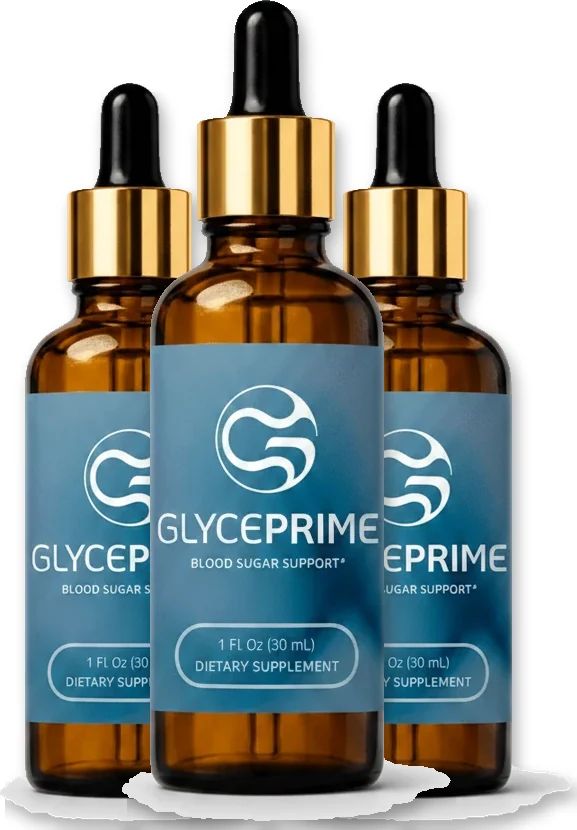
Prefer one daily dose to a shelf of bottles?
GlycePrime bundles several researched blood-sugar botanicals — gymnema and chromium among them — into a single liquid taken once a day, backed by a 60-day money-back guarantee so a full trial run costs you nothing if it does not suit you.
See GlycePrime PricingThree myths that cost management shoppers money
Before you spend, it is worth clearing out the beliefs that lead people to buy the wrong thing or expect the wrong result. Three come up over and over.
Myth 1: "The right supplement can replace diet or medication"
This is the costly one, and not just financially. No blood sugar management supplement replaces a prescription, insulin or the fundamentals of food and movement. The trials that make these ingredients interesting were run on top of ordinary care, not instead of it. Treating a bottle as a substitute for medication is dangerous, and any brand that hints otherwise has told you exactly how much to trust it. Supplements support a plan; they are not the plan.
Myth 2: "A proprietary blend means it is more advanced"
A "proprietary blend" is not a formulation breakthrough; it is a labelling choice that lets a company give one combined figure for many ingredients without breaking down the split. That single number is equally compatible with a generous formula and with a sprinkle of the star ingredient over cheap fillers. Underdosing hiding behind a blend is the most common trap in the category. The defence is simple: favour products that name meaningful amounts of their key actives, and be sceptical of any that hide everything behind one total.
Myth 3: "They are all basically the same, so buy the cheapest"
The ingredients are not the same, and neither are the doses. A cheap bottle carrying a fraction of the studied amount is not a bargain; it is money spent on a product that cannot do the job the research describes. The real comparison is cost per effective serving and whether the brand shows third-party testing — not the sticker price on the front. The cheapest bottle is frequently the most expensive way to get nothing.

Building a blood sugar management routine you will actually keep
A shortlist is only useful if it turns into a habit. Once you have picked an ingredient tier and a product with a transparent label, the rest is logistics. Take it at the same time each day — anchoring it to an existing habit like a morning coffee or an evening meal is the reliable trick. Pick one metric to track, whether a fasting reading or a value your clinician follows, measure it under the same conditions, and compare an average across weeks rather than reacting to any single number. A supplement that quietly shifts a trend is doing its job; one that promises a dramatic overnight drop is lying.
Give it a fair window. The trials behind these ingredients ran for weeks to months, so a realistic judgement point is roughly eight to twelve weeks of consistent daily use. That is exactly why a long return window matters more here than in most categories: it lets the trial period cost you nothing if the product turns out not to suit you. And if you take diabetes medication, make the conversation with your prescriber the first step, not an afterthought — because everything effective in this aisle can lower glucose, and additive effects with a drug are the genuine risk, not the ingredient alone.
Put simply: match the ingredient to the evidence, match the dose to the trials, match the format to your real life, and measure honestly. Do that and you have done more diligence than most shoppers in this aisle ever will — and you will have a routine that actually lasts long enough to tell you something.
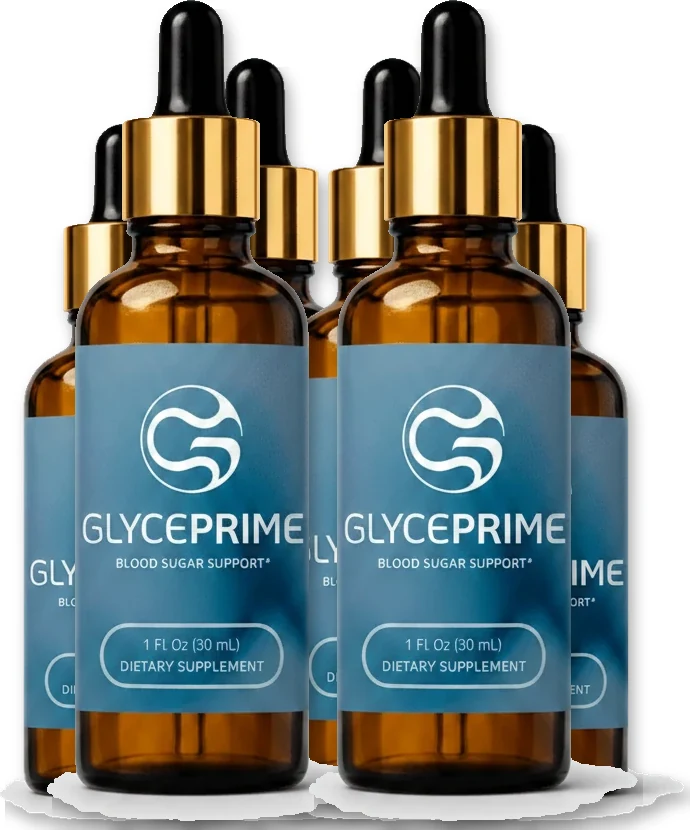
Give the 8-to-12-week window a fair run
GlycePrime's multi-bottle bundles bring the per-bottle price down and cover the full trial period, all under a 60-day money-back guarantee — the kind of long window a management routine actually needs.
Order NowFrequently asked questions
What supplements help manage blood sugar day to day?
The best-researched day-to-day options are berberine, gymnema sylvestre, chromium and, more weakly, cinnamon. Berberine has the deepest human trial record; gymnema follows with a plausible absorption mechanism; chromium helps mainly if you are deficient. Take them consistently with meals, and treat them as support for diet and activity, never a substitute for either.
How do I compare blood sugar supplement brands?
Ignore the front-of-bottle promises and read the Supplement Facts panel. Compare milligrams of each active per serving, not extract ratios; favour brands that name amounts instead of hiding them in a proprietary blend; look for third-party testing; and check that the dose matches what the studies used. Format and price-per-day matter too, because adherence is what actually delivers a result.
Are combination blood sugar formulas worth it?
They can be, if the label is honest. A combination formula trades milligram-level precision for the convenience of one daily dose, which is genuinely valuable because the supplement you actually take beats the perfect one you abandon. The risk is underdosing hidden behind a proprietary blend, so favour formulas that disclose meaningful amounts of their key actives.
Do blood sugar management supplements replace medication?
No. No supplement replaces prescribed medication, insulin or a doctor's plan, and treating one as a substitute is dangerous. Blood sugar management supplements are support at best, working alongside diet, activity and medical care. Because many can lower glucose, anyone on diabetes medication should speak to their prescriber before adding one.
What should I look for in a blood sugar supplement?
Prioritise transparent dosing and third-party testing, then take it at a steady daily dose alongside diet and activity.
How long should I take a blood sugar supplement before judging it?
Give it a steady daily routine for eight to twelve weeks at a disclosed dose, alongside diet and activity, before judging how it works for you.
Related reading
References
- Xie W et al. Glucose-lowering effect of berberine on type 2 diabetes: A systematic review and meta-analysis. Frontiers in pharmacology, 2022. PMID 36467075.
- Devangan S et al. The effect of Gymnema sylvestre supplementation on glycemic control in type 2 diabetes patients: A systematic review and meta-analysis. Phytotherapy research : PTR, 2021. PMID 34467577.
- Moridpour AH et al. The effect of cinnamon supplementation on glycemic control in patients with type 2 diabetes mellitus: An updated systematic review and dose-response meta-analysis of randomized controlled trials. Phytotherapy research : PTR, 2024. PMID 37818728.
- Asbaghi O et al. Effects of chromium supplementation on glycemic control in patients with type 2 diabetes: a systematic review and meta-analysis of randomized controlled trials. Pharmacological research, 2020. PMID 32730903.
- Chromium: fact sheet for health professionals. NIH Office of Dietary Supplements.
- Diabetes and dietary supplements: what the science says. National Center for Complementary and Integrative Health.
- Dietary Supplement Label Database. NIH Office of Dietary Supplements.
- Dietary supplements. U.S. Food and Drug Administration.
- Health products compliance guidance. U.S. Federal Trade Commission.