Best Time to Take Berberine: A Daily Meal Schedule
What is the best time to take berberine?
The best time to take berberine is 20 to 30 minutes before your largest meals, so it is active when blood sugar rises. Split the daily amount across your two or three biggest meals, take it with food to protect your stomach, and keep the same times every day. Split the daily amount across your largest meals, and keep the same routine on most days of the week.
- Timing: 20–30 minutes before eating, aligned with your biggest meals.
- Splitting: two to three smaller doses beat one large one for effect and comfort.
- Tolerance: taking it with food reduces the digestive upset that makes people quit.
Most people learn how to take berberine the expensive way: they swallow a capsule whenever they remember, get a stomachache, see no change on the meter, and conclude the supplement is useless. Nine times out of ten the supplement was fine; the timing was the problem. Berberine is unusually sensitive to when you take it, because its main job is to soften the blood-sugar rise that a meal causes — and a compound can only soften a spike it is present for. Get the timing right and you extract far more from the exact same bottle. This guide is the how-to nobody includes on the label.
We write as an independent review team. The product we cover, GlycePrime, is not a berberine supplement — a point we are clear about below rather than smudging — but the timing logic here applies to berberine and to most before-meal metabolic supplements alike.
Why timing changes the result at all
Berberine works largely by improving how your body handles glucose as it enters the bloodstream after eating and by activating AMPK, a fuel-sensing enzyme. The practical consequence is simple: the moment that matters most is the post-meal glucose surge. If berberine is already present in the gut when that surge hits, it can blunt the peak — berberine has been shown to slow the intestinal digestion of maltose, one of the routes by which dietary carbohydrate becomes blood glucose (Li et al., Journal of Ethnopharmacology, 2012). If you take it two hours after lunch, the peak has come and gone, and the dose is largely working on an empty road. That single fact drives every recommendation that follows.
How to take berberine: the four rules that matter
1. Take it 20–30 minutes before meals
This is the headline. A short head start lets the dose be present and active as food is digested. Before, not after — the difference is the entire point. If a “before every meal” routine sounds fiddly, that reaction is worth noticing; we come back to it, because adherence is where most timing plans quietly die.
2. Split the dose across your biggest meals
Berberine does not stay active in the body all day from a single dose, and a large one-shot amount is the fastest route to a queasy stomach. Trials that show results generally divide the daily amount into two or three servings tied to meals (Moon et al., Nutrients, 2021). Pair each dose with your largest meals — typically lunch and dinner, adding breakfast if you are on a three-dose plan — so the compound is present precisely when each big glucose load arrives. Getting the total amount right matters too; our practical berberine dosage guide built around a 500mg serving walks through how the daily total is usually structured.
3. Take it with food, not on an empty stomach
The most common reason people abandon berberine is gastrointestinal: cramping, loose stools, nausea. Most of that eases when the dose rides along with food instead of hitting an empty stomach. Conveniently, “with food” and “around your biggest meals” are the same instruction, so tolerance and timing get solved together. If side effects are your worry, our overview of berberine side effects and how to manage them goes further than we can here.
4. Be consistent, and space it from other medications
Berberine's benefit is cumulative, so a dose you skip is a result you forfeit — daily consistency beats perfect timing on an occasional day. And because berberine can affect how the body processes some drugs, keep a few hours between it and other medications (Adiwidjaja et al., European Journal of Clinical Pharmacology, 2022), and clear the whole plan with your prescriber if you take anything regularly. Timing is not just about meals; it is also about not colliding with your prescriptions.

Hate the idea of dosing before every meal?
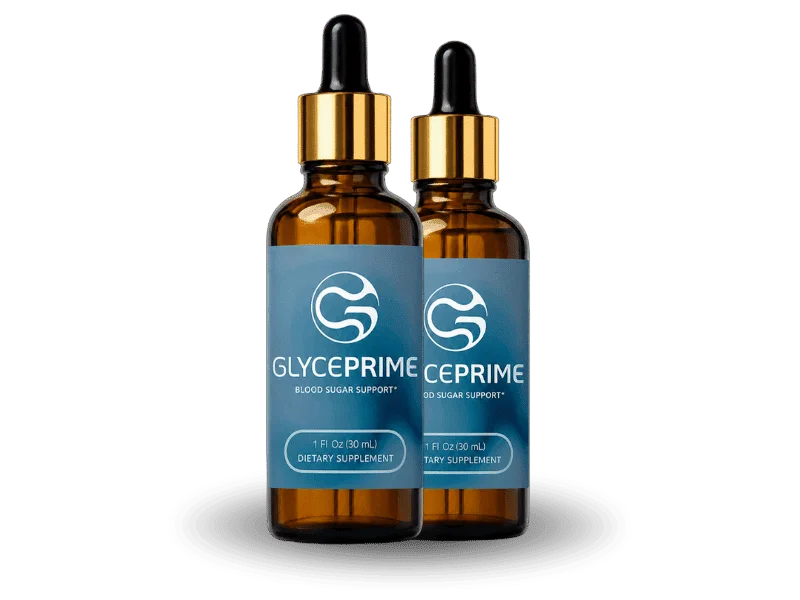
GlycePrime is a once-a-day liquid built on gymnema and chromium — a different compound than berberine, taken as a single 1 mL morning serving, backed by a 60-day guarantee. If a simpler routine is what you would actually keep, see current bundles.
See GlycePrime PricingThree timing myths worth clearing up
“It doesn't matter when I take it, as long as I take it.”
For some supplements that is true. For berberine it is not, because the benefit is tied to the post-meal window. Same bottle, same dose, worse timing equals a smaller effect. Timing is the free variable most people leave on the table.
“One big morning dose is more convenient, so I'll do that.”
Convenient, yes; effective, no. A single large dose leaves the evening meal unprotected, stays active for only part of the day, and hits your stomach hardest. Splitting is a little more effort for a meaningfully better result and a calmer gut. If the convenience instinct is that strong, it is a signal that a genuinely once-daily formula might suit you better than berberine's schedule.
“I'll take it after meals to avoid the stomach issues.”
Understandable, but it trades one problem for a bigger one. Taking it after eating misses the glucose surge you were aiming at. The better fix for tolerance is taking it with food at the start of the meal — you keep the timing and still protect your stomach. Do not solve a side effect by discarding the benefit.
A sample day: what a good berberine schedule looks like
Rules are easier to keep when you can picture them. Here are two realistic templates — pick the one that matches the daily total your product and your doctor have settled on, and anchor each dose to a real meal you reliably eat rather than an abstract clock time.
Two-dose plan (built around your two biggest meals):
- Lunch: one dose 20–30 minutes before you sit down, taken with the first bites.
- Dinner: one dose 20–30 minutes before the meal, again with food.
- Skip a standalone breakfast dose if breakfast is small or you often skip it — there is no point timing berberine to a meal that barely raises glucose.
Three-dose plan (for a higher daily total, split evenly):
- Breakfast, lunch and dinner: one dose before each, with food, spaced across the day.
- This keeps the compound present across all three glucose loads and keeps any single dose small enough to be gentle on the stomach.
The best schedule is the one you will still be running in week ten, so build it around meals that are fixtures in your day, not aspirational ones. A dose tied to a breakfast you rarely eat is a dose you will rarely take.
What about coffee, fasting and bedtime doses?
A few timing questions come up constantly, so here are quick, honest answers. Coffee: a morning coffee alongside a before-breakfast dose is fine; berberine is not caffeine-sensitive in a way that should change your routine. Fasting or low-carb days: on a day with no substantial carbohydrate meal, the post-meal-spike logic largely does not apply, so a dose tied to a big glucose load has less to do — consistency still matters more than chasing a spike that is not there. Bedtime doses: a lone dose at night, away from any meal, is the least useful timing there is, because it misses every glucose surge of the day and can disturb some people's stomachs overnight. If you can only manage one dose, put it before your single largest meal, not at bedtime.
Where GlycePrime fits — and where it doesn't
Plainly: GlycePrime does not contain berberine. It is a liquid built on gymnema sylvestre and chromium, with supporting botanicals such as green tea, astragalus, ginseng and African mango. If your goal is specifically a berberine regimen, follow the before-meal, split-dose plan above with a berberine product — that is the tool for that job.
GlycePrime is relevant here for one honest reason this whole article keeps circling: the perfect timing plan is worthless if you will not follow it. A before-every-meal, two-or-three-times-a-day capsule schedule is genuinely hard to sustain past the first fortnight, and adherence is where results are won or lost. GlycePrime's serving plan is a single 1 mL liquid dose once a day — there is no meal to time it against and no split to remember. For people whose real obstacle is not the science but the routine, that simplicity is the selling point. It is a different compound reaching the same category of goal by a schedule you are far more likely to keep, and the official store's 60-day guarantee gives you room to see whether it suits you.

One dose a day, no meal-timing math
GlycePrime is a once-daily liquid built on gymnema and chromium, sold in two, three and six-bottle bundles with a 60-day money-back guarantee from the official store. It is not a berberine product — it is the routine that is genuinely easy to keep.
Order GlycePrime From The Official StoreFrequently asked questions
When is the best time to take berberine?
About 20 to 30 minutes before your largest meals. Berberine's job is to blunt the rise in blood sugar that a meal causes, so it should already be on board when the food arrives. Taking it well before eating, rather than after, lines the compound up with the glucose surge it is meant to soften, which is the whole reason timing matters at all.
Should I take berberine before or after meals?
Before, by a comfortable margin. The metabolic effect you want happens as a meal is digested and glucose enters the blood, so berberine works best when it is already active at that moment. Taking it after you have eaten means the biggest part of the post-meal spike may have passed before the dose is doing much. Before the meal is the timing the research leans on.
Can I take all my berberine at once?
It is generally better not to. A large single dose is more likely to upset your stomach and does not stay active across the whole day, whereas most trials split the daily amount into two or three doses tied to meals. Splitting keeps berberine present when each main meal hits and spreads out any digestive side effects. One big dose is the least effective and least comfortable option.
Does taking berberine with food help?
Yes, in two ways. Taking berberine with or right around food noticeably reduces the digestive upset it can cause on an empty stomach, which is the most common reason people quit. It also naturally pairs each dose with a meal, which is exactly when you want it working. Pairing the dose with the meal solves the tolerance problem and the timing problem in one step.
Is it better to split berberine into smaller doses?
Two to three smaller doses spread across your biggest meals work better than one large dose. Keep the same times every day.
Why take berberine in smaller doses?
Two to three smaller doses beat one large one for both effect and comfort.
Related reading
References
- Li ZQ et al. Berberine acutely inhibits the digestion of maltose in the intestine. Journal of ethnopharmacology, 2012. PMID 22626925.
- Moon JM et al. Absorption Kinetics of Berberine and Dihydroberberine and Their Impact on Glycemia: A Randomized, Controlled, Crossover Pilot Trial. Nutrients, 2021. PMID 35010998.
- Adiwidjaja J et al. Physiologically based pharmacokinetic model predictions of natural product-drug interactions between goldenseal, berberine, imatinib and bosutinib. European journal of clinical pharmacology, 2022. PMID 35048143.
- Chromium: fact sheet for health professionals. NIH Office of Dietary Supplements.
- Diabetes and dietary supplements: what the science says. National Center for Complementary and Integrative Health.
- Dietary Supplement Label Database. NIH Office of Dietary Supplements.
- Dietary supplements. U.S. Food and Drug Administration.
- Health products compliance guidance. U.S. Federal Trade Commission.